Workforce

A Gen X Retirement

Yesterday, I wrote in my personal blog that I voluntarily retired from the National Weather Service, departing with full benefits including a pension and my retirement investments. After spending a decade as a meteorologist and more than two decades as their information technology officer, I had done all that I had set out to do in my career as a federal employee. It was simply time for me to move on and accept new challenges.

How to Navigate the Ethics of an Internal Promotion

Internal promotions represent a critical inflection point for organizations. When handled well, they fuel growth and retention. However, mishandled advancements often lead to favoritism, resentment and dysfunction. For information technology (IT) leaders navigating rapid technological change, the stakes are particularly high, as promoting from the inside can validate talent or fracture team dynamics. 

Building an Ethical Promotion Framework

Ethical promotion processes begin long before a position opens. Organizations must establish transparent systems that remove subjective decision-making and create equitable pathways for growth.

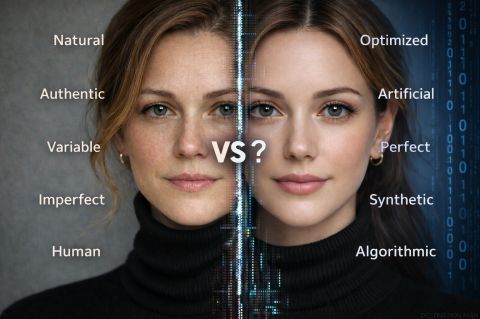
Are AI Headshots Hurting Your Credibility?

In a digital-first business environment, first impressions are often formed long before a conversation ever begins. Profiles, thumbnails, and headshots have become the modern handshake. They signal credibility, effort, and trustworthiness in a matter of seconds.

As artificial intelligence tools make it easier than ever to generate polished images, a growing question is emerging across professional circles. At what point does convenience begin to erode authenticity.

How Employee Perks Improve Retention in Modern Businesses

Introduction: Why Employees Don’t Stay as Long as They Used To

Not long ago, it was common for employees to stay with one company for many years. Today, that situation has changed. Many professionals switch jobs more frequently, and businesses often struggle to keep talented people for the long term.

While salary still matters, it is rarely the only factor influencing an employee’s decision to stay or leave. Workplace environment, flexibility, appreciation, and overall work experience now carry equal weight. Employees want to feel respected, supported, and comfortable in the place where they spend a large part of their day.

Should Businesses Incorporate Gamification for Safety Training?

Employers are getting creative with how they upskill and protect their workforce. Encouraging them to polish their knowledge through exercises requires innovative thinking, which is why many corporate training programs consider gamification. It is an ancient technique with a modern twist, inspiring many to see mandatory training as competitive and enjoyable.

Enhancing Workplace Accessibility: Strategies for Inclusive Design

Creating accessible and inclusive workplaces is essential for modern businesses aiming to thrive in a competitive industry. Prioritizing this aspect ensures employees of all abilities can fully participate, contributing their unique skills and perspectives. This commitment fosters innovation by encouraging diverse approaches to problem-solving.

Inclusive workplaces boost team satisfaction by creating environments where everyone feels valued and supported. Embracing usability can position organizations as forward-thinking, ethical and ready to meet the needs of a dynamic workforce.

10 Ways to Adapt Your Business Practices to an Aging Workforce

The workforce is evolving, with a noticeable demographic shift toward an aging population. Businesses must recognize the value of these experienced workers as life expectancy rises and people remain active in their careers longer.

Adapting company practices to support and retain older employees is a strategic move that enhances productivity and ensures valuable knowledge stays within the company. Fostering an inclusive environment where older workers feel valued enables businesses to reduce turnover, maintain a diverse and skilled workforce and thrive in a competitive market.

What Retirement Account Options Are Available for Tech Businesses and Their Employees?

Tech businesses and employees should have retirement account options that fit their needs. While they could stick with the traditional 401(k) plan, many other types offer more significant tax benefits and fewer restrictions.

Why Does the Tech Industry Need Special Accounts?

Tech workers’ incomes hit a record high in 2021. The average salary reached over $104,500, with many jobs seeing more than 10%-20% growth in earnings from 2020. Even though this increase is fantastic, it made some of the most popular retirement plans inaccessible.

New ‘Pulse’ App to Build a More Mentally Fit, Less Toxic & More Profitable Workforce

On the heels of its artificial intelligence (AI), Metaverse and interactive 3D virtual employee training and simulation deployments, global leadership development and training company Fierce, Inc. is again changing the way people communicate with each other. This time via the visionary company’s new “Pulse” app poised to refine—and redefine—workplace culture, while also notably boosting bottom lines. With the ability to demonstrate double-digit reductions in stress and anxiety, as well as improved resilience levels, Pulse is designed to address the stressors today’s pressure-laden business climate is causing on industry’s collective staff psyche.